
Creating safe spaces for Black women is honestly the very first step toward reclaiming our healing, our softness, and our peace of mind. It is so easy to get used to carrying heavy pressure, endless responsibilities, and constant emotional stress with a calm face. We carry so much for everyone else that being completely overwhelmed starts to feel normal, even when our bodies are thoroughly exhausted and running on empty.
We deserve much more than just getting by; we deserve environments where rest does not come with a side of guilt, where vulnerability never leads to judgment, and where expressing our true emotions doesn’t turn into a battle just to be understood.
This whole journey always reminds me of the beautiful wisdom found in All About Love by Bell Hooks. One of the biggest takeaways from her work is that love simply cannot grow in places marked by emotional neglect, fear, or self-abandonment. Real, deep healing requires a true foundation of care, honesty, safety, and gentle compassion.
Let’s dive into why emotional safety changes absolutely everything for us, and explore what it truly looks like to build spaces that power our spirits while gently nourishing our nervous systems and our hearts.
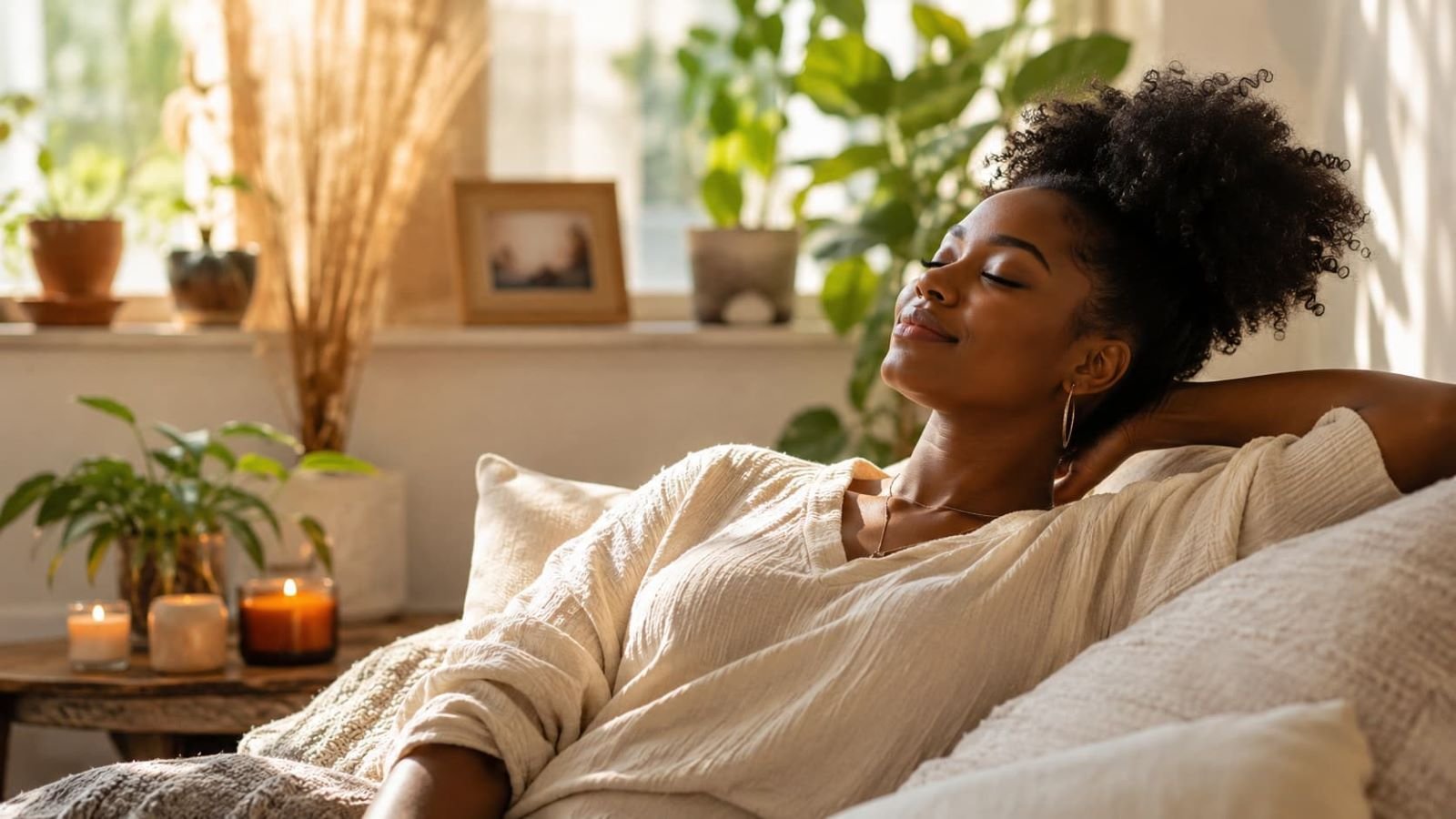
Why Safe Spaces for Black Women Matter for Emotional Healing
Safe spaces for us go so much deeper than just a physical room or a specific place. True safety is something we feel in our minds, our bodies, our emotions, and our entire nervous systems.
It completely changes how freely we express ourselves, how deeply we are able to rest, and how safe we feel just being vulnerable without that nagging fear of judgment. Honestly, before any real healing can even start to happen, that emotional and energetic safety has to be there first.
Emotional Safety for Black Women: Overcoming Emotional Exhaustion
We have learned how to carefully filter our emotions before we ever let them out loud. We constantly think about our tone, our wording, our reactions, and how everyone else might take it before we even say a word. That constant emotional editing is absolutely exhausting.
Sometimes we hold back our tears because we don’t want to look “dramatic.” Other times we soften our anger just to avoid that unfair “aggressive” label. And sometimes, we just stay completely quiet because explaining our feelings feels so much heavier than just carrying them alone.
That is exactly why these spaces matter so much: they give us room for pure honesty without any punishment attached to it. We need spaces where we can speak openly, disagree freely, and just express ourselves without feeling like we have to manage everyone else’s comfort first.
Before any real healing can even start to happen, that emotional and energetic safety has to be there first to foster collective care and culturally grounded clinical practice
Nervous System Healing and Emotional Safety for Black Women
Our bodies have a funny way of remembering stressful environments, even when our minds are trying hard to move on. That stress starts showing up physically in those little ways we tend to ignore like tight shoulders, shallow breathing, or finding it impossible to relax at night. Have you noticed yourself feeling tense during total silence, or getting super overstimulated by noise, conflict, or unpredictability?
We have stayed on high alert for so long that calm moments can actually feel a little unfamiliar or uncomfortable at first. It’s like the body is just waiting for the next stressful thing to happen.
That is why nervous system healing is so deep. Emotional safety isn’t just a mental concept; our bodies need to physically feel it, too. Sometimes, that healing begins in the most ordinary moments. Like sitting in a quiet room without feeling anxious, sleeping deeply through the night, listening to music that softens your posture, or just drinking your tea slowly. It’s about finally feeling relaxed around people instead of keeping your guard up all the time.
Those small, quiet moments are what help the body remember what safety actually feels like again.

Breaking the Strong Black Woman Cycle and Learning to Receive Support
We were raised with the idea that being strong means handling absolutely everything on our own. Being the dependable one became a huge part of our identity super early in life, to the point where asking for help felt uncomfortable long before we even hit adulthood.
After a while, that fierce self-reliance becomes so automatic that whenever support actually is offered, it can feel completely unfamiliar and a little strange to receive it.
Hyper-Independence and the Pressure Black Women Carry Alone
That hyper-independence can look so powerful and flawless from the outside, but on the inside, it feels deeply lonely. Sometimes the support we need is right there in front of us, but our bodies still resist relaxing into it. When we are taught to be strong and ignore our feelings, being the dependable one becomes a huge part of our identity early in life.
We find ourselves double-checking everything, struggling to delegate even the smallest tasks, and automatically blurting out “I got it” when we are completely overwhelmed. Being taken care of can actually feel uncomfortable simply because we are so used to being the ones doing the caregiving.
That emotional isolation just builds up over time. We are constantly expected to hold everything together for everyone else. Friends vent to us, family heavily depends on us, and workplaces expect total emotional composure no matter what we are dealing with personally.
After carrying that heavy role for years, letting down our guard can start to feel unsafe. Our strength became our armor, but that armor is just too heavy to wear for a lifetime. That is why finding spaces where we can finally put down our armor changes everything.
Vulnerability and Safe Spaces for Black Women
That is exactly why safe spaces for Black women matter so much. They give us room for true softness without a single ounce of guilt attached to it. We feel a profound sense of healing when we are around people where we feel absolutely zero pressure to perform.
We need spaces where we can openly admit we are tired, where quiet silence doesn’t feel uncomfortable, and where we are finally allowed to receive support instead of always providing it.
Healthy relationships completely change the way vulnerability feels emotionally. We get to stop feeling like every single emotion has to be perfectly explained before it deserves real care.
Being consistently supported like that can change the way we move through life completely.
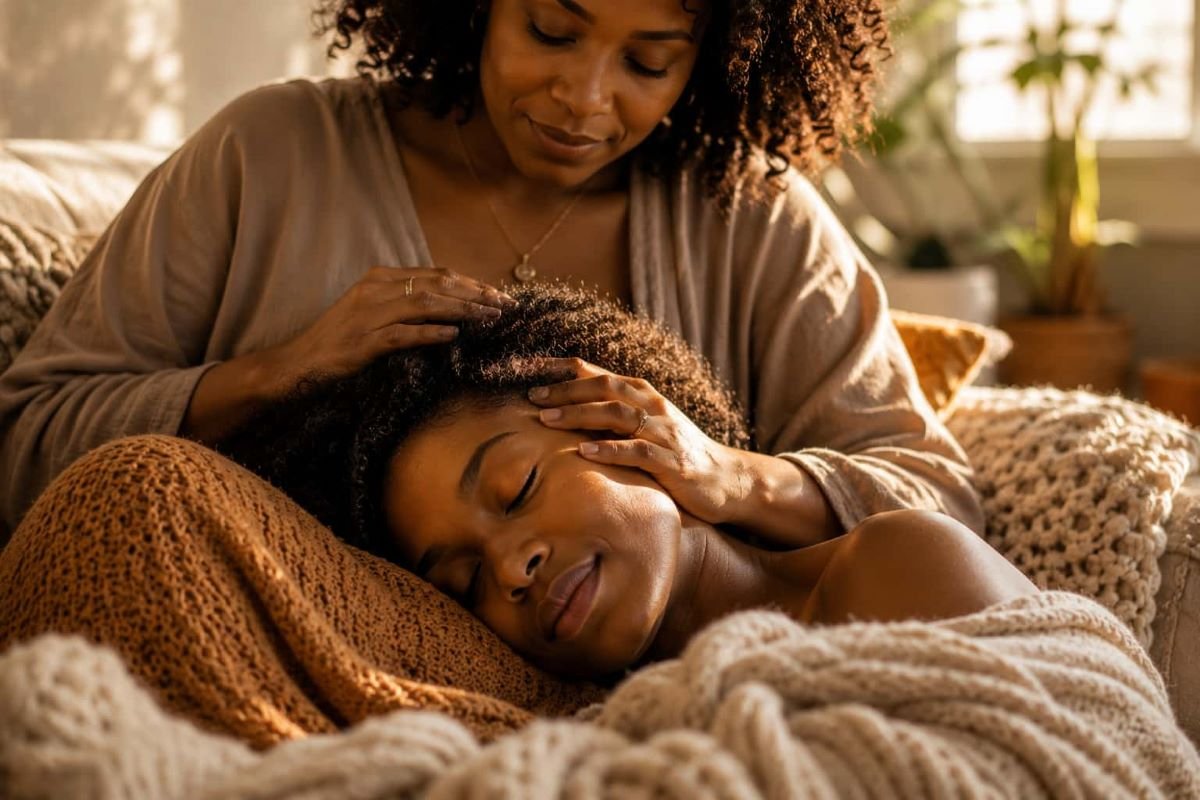
What Happens When Black Women Lack Emotional Safety?
A lack of emotional safety eventually starts affecting our relationships too. The way we communicate, connect, receive affection, and respond to closeness all become shaped by the environments we spent the most time surviving inside.
Stress affects intimacy more deeply than people realize, especially when we feel trapped in environments or connections that leave us totally wiped out.
When Burnout Becomes Part of Our Identity
Burnout can slowly disconnect us from ourselves. Sometimes it looks like struggling to enjoy quality time with the people we love because our minds never fully relax. Other times it looks like feeling completely numb during moments that should feel exciting, or always feeling “on” even inside our closest relationships.
Our bodies can become so used to tension that calm relationships feel unfamiliar at first. We are often taught to keep functioning through exhaustion without slowing down long enough to ask what that exhaustion is costing us. Eventually, that emotional disconnection starts affecting our relationships, our joy, our intimacy, and our presence in everyday life.
How Safe Spaces for Black Women Protect Healthy Relationships
The relationships we choose are deeply connected to what feels familiar to us. When inconsistency, emotional distance, or unpredictability become normalized, stable relationships can feel unfamiliar. We end up chasing emotional intensity simply because calmness feels foreign.
Healing spaces for Black women help us rebuild trust around connection slowly. We begin learning that care can feel steady, communication can feel safe, and affection can feel consistent. Love starts feeling calmer, more grounded, and easier to trust.
The more emotionally safe we feel within ourselves, the easier it becomes to stop confusing emotional chaos with emotional depth.
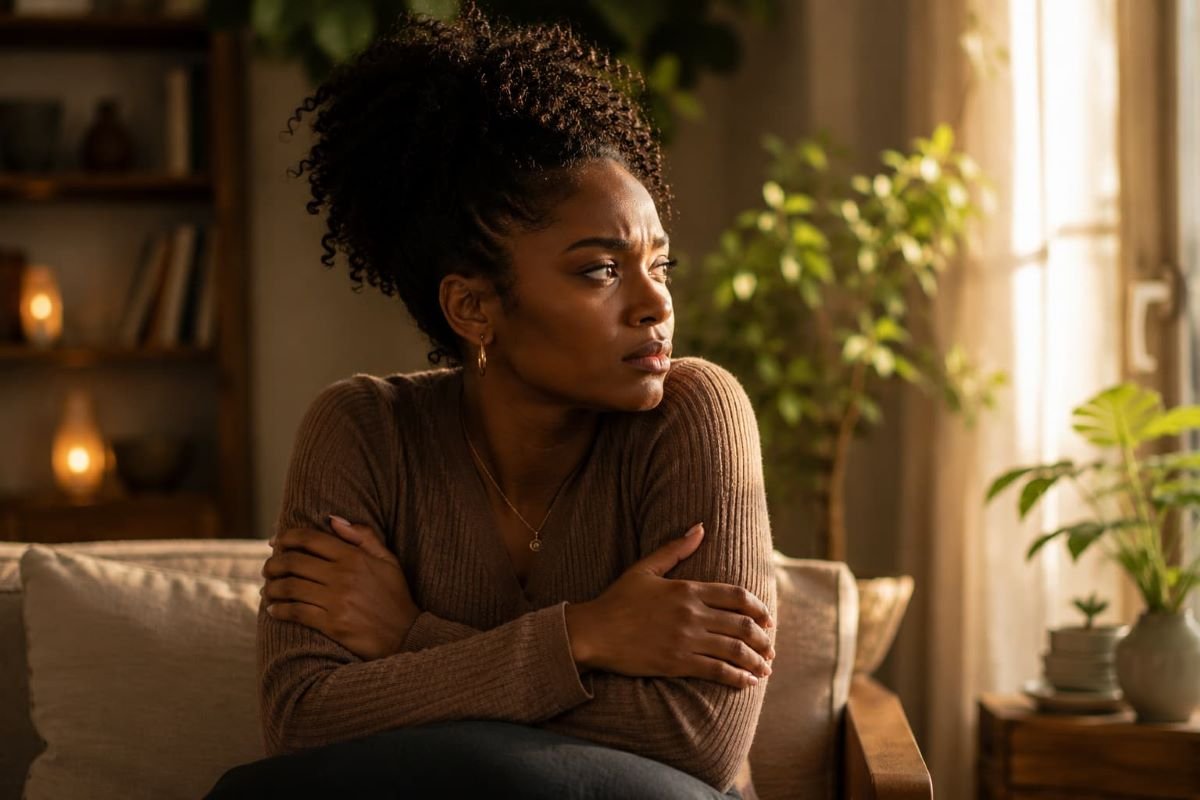
What Safe Spaces for Black Women Really Feel Like
Healing changes the way we experience relationships, community, and even ourselves.
Safe spaces for Black women are not only about avoiding harm. They are about creating environments where our minds, bodies, and spirits finally feel supported, valued, and understood. Real sanctuary feels like being able to exist without pressure, performance, or emotional exhaustion.
Safe Friendships and Supportive Communities for Black Women
Some friendships feel heavy, while others feel like a deep exhale. We can feel that difference immediately. Safe communities for Black women create space for honesty, vulnerability, support, and celebration without competition or hidden tension. Instead of constantly feeling the need to prove ourselves, we feel accepted exactly as we are.
Healing also changes the way we show up for one another. We begin moving away from survival-based relationships built on comparison, emotional burnout, or one-sided support. Community becomes softer, more reciprocal, and more emotionally safe.
We all deserve friendships where support flows both ways. We need spaces where rest is respected, boundaries are honored, and joy is shared freely.
Creating Emotional Safety, Boundaries, and Self-Trust
Part of healing is learning that emotional safety also starts within us. We were taught to ignore our feelings, overextend ourselves, or abandon our needs just to maintain relationships and keep the peace When we choose to stop sacrificing our own needs just to keep the peace , everything changes. After a while, boundaries begin changing that pattern. They teach us that protecting our energy is not selfish but self-preservation.
Safety begins the moment we decide we no longer have to abandon ourselves to be loved. The more we listen to ourselves, honor our limits, and trust our intuition, the safer life starts feeling emotionally.
Self-trust grows when we stop forcing ourselves to tolerate environments, relationships, or situations that leave us feeling drained. And that kind of peace changes everything.

How Black Women Can Create a Soft Life That Feels Safe
A soft life is often created through ordinary choices repeated consistently. The environments we spend time in, the way we protect our energy, and the habits we build daily all affect how safe life feels.
Small adjustments can shift the entire atmosphere of our lives.
Protecting Our Peace by Auditing Our Environment
Sometimes protecting our peace starts with noticing what drains us regularly. Certain conversations leave the body tense for hours afterward. Some relationships create pressure instead of comfort. Some environments make it difficult to fully relax.
Healing can look like answering messages later, spending less time arguing online, or leaving events earlier. It means turning the phone off at night and saying no without writing a three-paragraph explanation afterward. Those small boundaries matter deeply because emotional exhaustion builds quietly through repeated stress.
A peaceful life is often shaped through small protective decisions made consistently.
Rest, Nervous System Healing, and the Soft Life
Rest becomes more meaningful when it feels intentional. Think about soft lighting at night, clean sheets, or music playing while cooking. Picture a slow morning without immediately reaching for your phone, sitting outside for fresh air, or creating corners of your home that feel calming and comforting.
Little rituals help the body settle. Black women deserve environments that feel warm, beautiful, restorative, and gentle. Spaces where the nervous system is not constantly bracing for stress or emotional pressure.
And, life feels very different when peace becomes something we experience regularly instead of something we only visit temporarily.
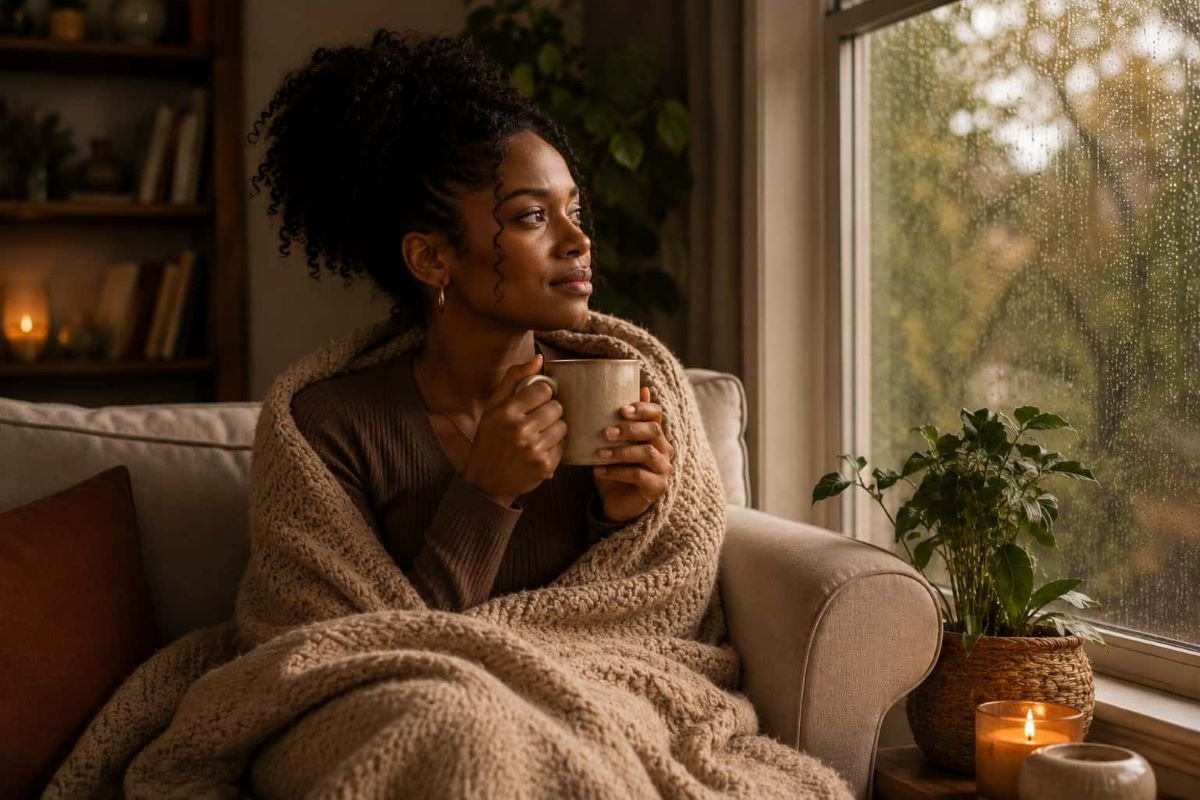
Safety Changes Everything
Healing started feeling so different for me once I stopped forcing myself to stay in environments that made me feel tense, or completely disconnected from who I am. Walking on eggshells just didn’t align anymore with the kind of life, peace, and relationships I truly wanted. Letting certain people go was incredibly difficult, but it also created the beautiful space I needed for clarity, softness, and real emotional freedom.
Creating safe spaces for Black women sometimes begins right here: with us protecting our own energy more intentionally. The safer our surroundings feel, the easier it becomes to breathe deeply, rest fully, and finally reconnect with ourselves.
My home became a massive part of my own healing journey, too. I feel this instant wave of peace the exact moment I walk through my door because I intentionally decorated my space to feel nurturing, calming, and restorative. Soft lighting, comforting scents, cozy textures, music, total silence, and beautiful little details all help create an environment where my nervous system can finally relax. True healing flourishes when we no longer feel like we have to stay guarded just to survive.
What does your ideal safe space feel like? Share one way you are protecting your peace today.

Leave a Reply