
 Solitude holds a beauty that is often misunderstood and quietly overlooked. In a world that measures worth through visibility, productivity, and constant connection, alone time for Black women is too often mistaken for absence rather than presence. Yet true solitude is not emptiness; it is a living, breathing space where the noise softens, the nervous system exhales, and something deeper begins to speak.
On a mindful path, solitude is not something to avoid or rush through, but something to honor and return to with reverence. For many women, quiet moments carry layered meaning shaped by strength, resilience, and responsibility, even as the body and spirit long for rest.
This reflection explores solitude not as isolation, but as an inner sanctuary—a sacred pause where emotional weight can be set down, the heart can feel safe again, and feminine energy can gently return to its natural rhythm.
Solitude invites a gentle turning inward, a process of coming home to yourself where self-awareness deepens without force.
The Lost Art of Being Alone in a World That Never Slows Down
Modern life rewards constant movement and productivity, even turning rest into something planned or shared. In this rhythm, true stillness can feel unfamiliar, as if slowing down requires explanation rather than trust.
For many Black women, being alone carries deeper layers shaped by responsibility and resilience. Strength is often praised more than softness, and over time the body learns to hold tension quietly, long before the mind names it.
When Stillness Feels Unfamiliar
In a world that rarely pauses, being alone can feel awkward or even unsettling at first. When life is lived in constant motion, the body forgets what true stillness feels like, and quiet moments can bring restlessness instead of ease.
This discomfort isn’t a sign that solitude is wrong, it’s a signal that the body has been living in overdrive. With intentional alone time, the nervous system begins to relearn safety in stillness, allowing rest to feel nourishing again rather than something to rush through.
Alone time for Black women as a Feminine Energy Practice
Alone time for Black women is a natural expression of feminine energy: quiet, grounded, and rooted in self-care as an act of preservation. It is not indulgence or withdrawal, but a way of protecting emotional, mental, and energetic well-being.
In solitude, nothing needs to be proven or performed. This unguarded space allows self-trust to return, gently and from the inside out.

When Softness Becomes a Form of Strength Through Alone Time for Black Women
Choosing solitude in a world that constantly demands availability is not an act of withdrawal, but one of discernment, a decision to offer your nervous system gentleness rather than endless survival.
Feminine energy naturally flourishes in spaces where slowing down is not only permitted but encouraged, where intuition is given room to surface and emotions are allowed to move at their own pace without being hurried toward resolution.
Alone time provides this kind of environment, forming a gentle container in which your inner world can unfold freely, uninterrupted, and with care.
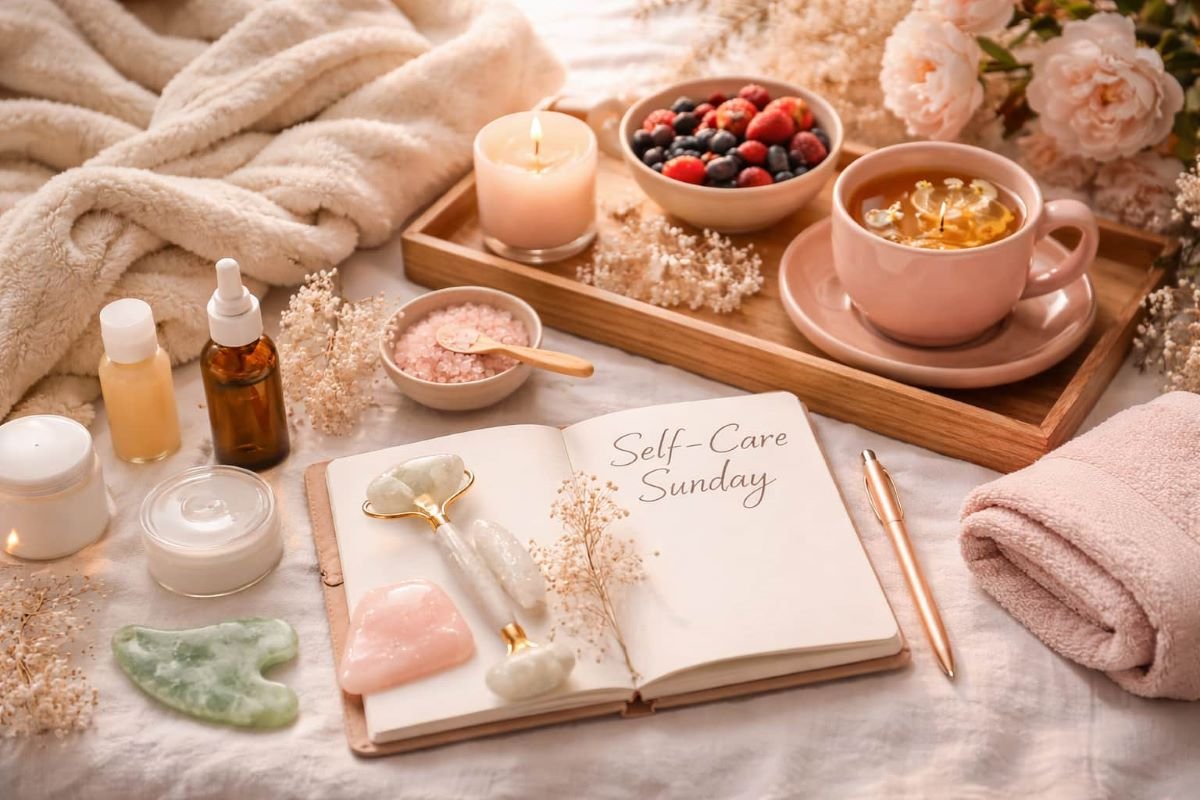
A Personal Moment: Sundays as a Return to Myself
Over time, Sundays quietly became my pause, a space I protect so I can stay connected to myself, my body, and my inner rhythm.
I wake without urgency and begin the day in meditation, allowing stillness to meet me before the world does. Gentle movement follows—yoga that stretches more than muscles, and a metta meditation on Insight Timer that reminds me of the softness available in shared intention, even in solitude.
As the day unfolds, everything slows. I cook with presence rather than efficiency, letting nourishment feel intentional instead of rushed.
Later, I sink into a long bath, using warmth and water as a way back into my body, listening to what it has been holding.
Journaling comes naturally after, pen moving easily as I sip tea and let thoughts land without editing.
These Sundays don’t exist to fix or optimize anything; they exist to restore. They ground me gently and refill what the week tends to take, reminding my nervous system that steadiness, care, and safety are still available: starting within.
Solitude as Self-Intimacy Through Alone Time for Black Women
Solitude is often mistaken for loneliness, but the two come from very different places. Loneliness carries the feeling that something is missing, while self-intimacy begins with the quiet knowing that someone is present. When alone time is chosen with intention, it shifts from absence into connection. A gentle return to yourself rather than an escape from life.
In this space, self-intimacy grows through listening without judgment and allowing emotions to surface without rushing to fix or label them. Desire has room to exist without explanation or urgency. Solitude becomes less about being alone and more about being in relationship with yourself.
Why Alone Time for Black Women Is Deeply Healing
For many Black women, care often flows outward before it turns inward. Strength, adaptability, and composure take priority, leaving little space for tenderness. Alone time for Black women gently interrupts this pattern by inviting self-honoring to replace self-management.
In solitude, patterns become visible without shame. Over-giving reveals itself not as a flaw, but as information. From this awareness, desire reemerges in a more honest, embodied way, and boundaries begin to form naturally, guided by clarity rather than force.
Time alone supports shadow work for feminine energy and invites healing through compassion instead of pressure.
A Gentle Self-Intimacy Practice
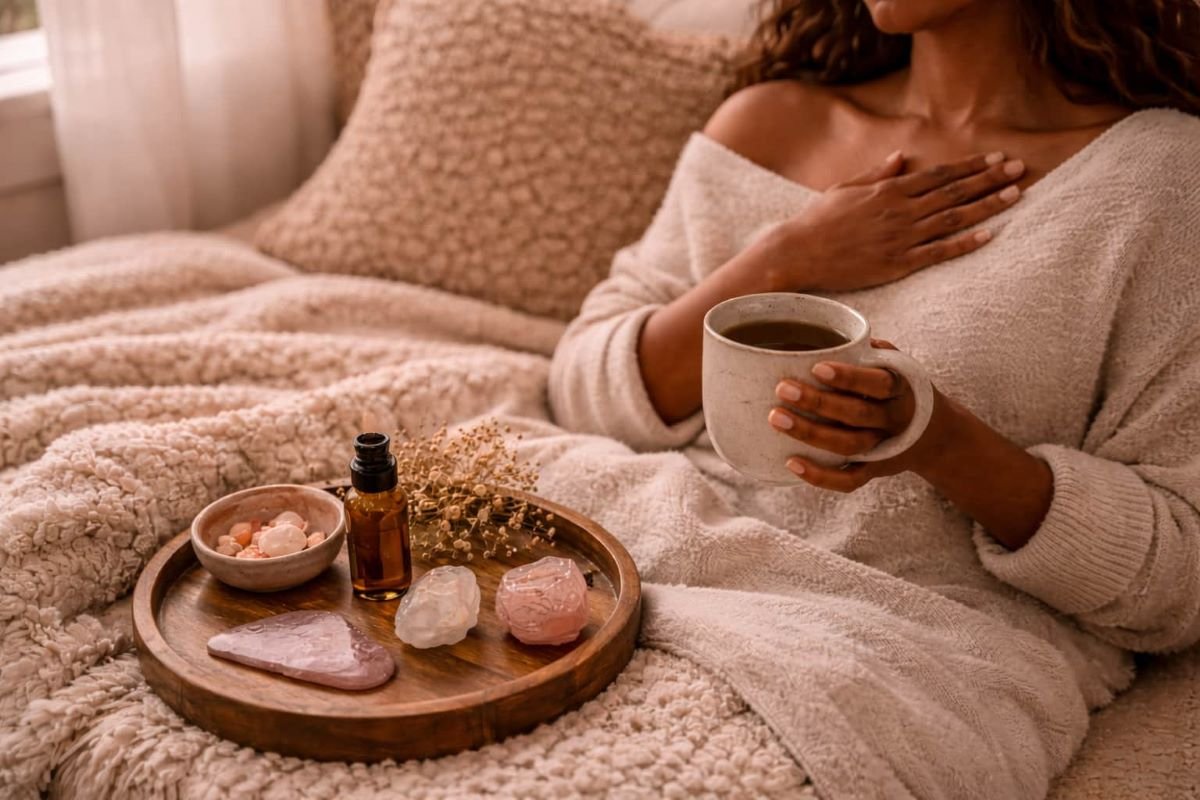
Close your eyes and rest a hand over your heart, allowing the body to settle before the mind follows. Softly ask what you need today to feel whole, then give yourself time to listen without urgency or correction.
Sometimes the answer arrives quietly. That, too, is enough.
When Being Alone Feels Uncomfortable
Discomfort in solitude is common, especially for those who have learned to survive by staying busy, as silence often reveals what distraction has been quietly holding back. Anxious thoughts surface, unprocessed emotions stir, and old memories drift in, not to interrupt, but to signal that your inner world feels safe at last. This does not mean alone time is “not for you,” but rather that trust is forming beneath the surface.
Physical unease can accompany this process, since stress often speaks through the body before it becomes clear in the mind, showing up as restlessness, disrupted sleep, or a lingering sense of tension. This is why gentle regulation matters, with simple practices such as conscious breathing offering practical support for easing the nervous system.
Solitude does not ask for resolution all at once; it simply invites you to stay present instead of leaving yourself behind.
The Healing Power of Silence and Nervous System Regulation
In deep quiet, the body senses that it no longer needs constant vigilance. Muscles soften, breathing deepens, and internal rhythms begin to settle on their own. This shift matters more than it first appears, marking a movement away from continuous readiness and toward a more sustainable state of ease.
Silence supports the nervous system in transitioning from alertness into restoration, allowing emotional balance, mental clarity, and inner steadiness to emerge without effort. Even brief moments of intentional quiet can begin to recalibrate the body, not through force or productivity, but through patience and care.
Silence also offers a gentle place to land. It reminds the body that you can cultivate safety within yourself, rather than constantly seeking it outside.
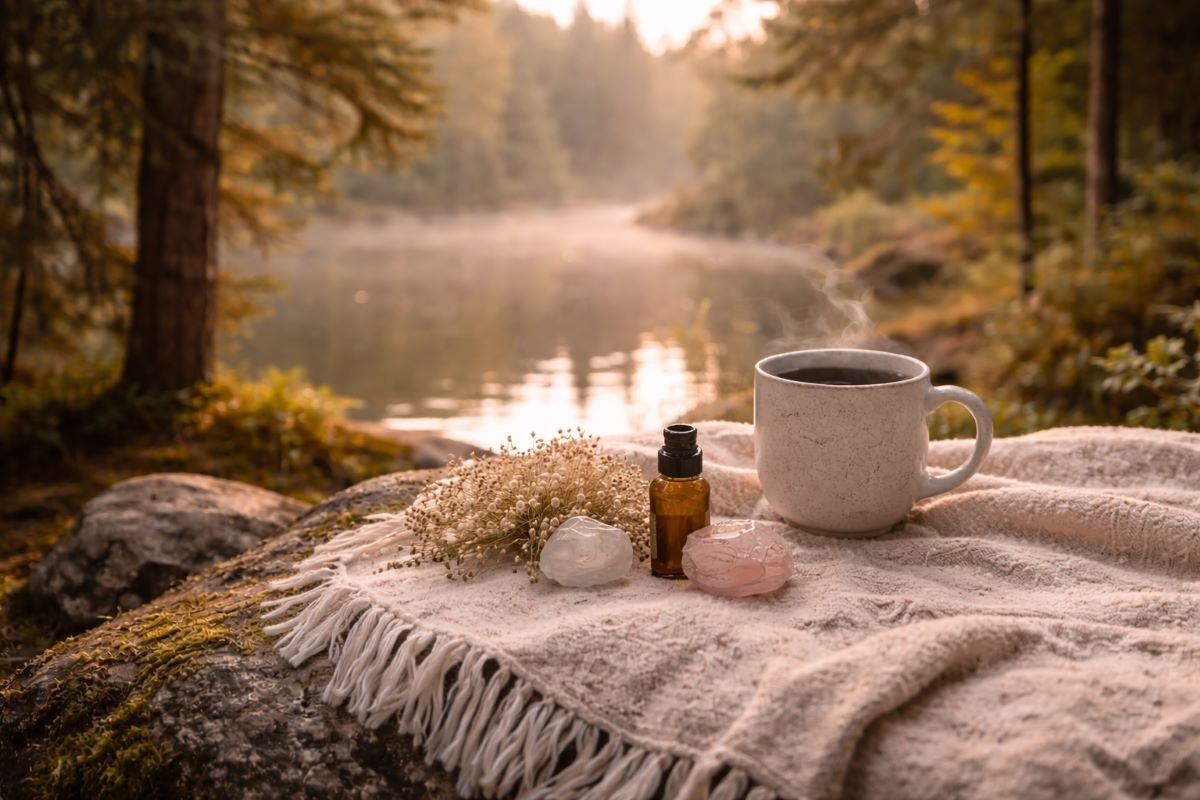
A simple way to experience this is by spending time outdoors without distraction or agenda. Research suggests that 10–20 minutes in a natural setting can lower stress, improve mood, and promote mental restoration, even without intense activity.
Allow attention to rest on subtle sensory details such as shifting light, moving air, or distant sounds. This kind of presence quietly reassures the nervous system that the moment no longer calls for vigilance.
Alone Time for Black Women Refines Connection, Not Distance
Intentional solitude can deepen relationships, even when it feels counterintuitive. It does this by reducing the quiet urgency for external soothing. When you know how to return to yourself, the need to cling or over-explain begins to dissolve.
Boundaries no longer feel like negotiations for belonging. Connection starts to come from fullness instead of hunger, guided by clarity rather than fear.
As solitude strengthens self-anchoring, you begin to choose people differently. Relationships feel more intentional, less performative, and rooted in mutual presence.
In this way, solitude teaches healthy interdependence. It invites you to show up as your whole self, without performing for approval. That grounded presence carries a quiet magnetism of its own.
Rituals That Turn Solitude Into an Inner Sanctuary
Ritual turns alone time into a devoted practice and teaches the body that you choose and protect this space.
- Slow Mornings: A morning without urgency can restore your inner rhythm. Warm drinks and quiet journaling help you return to yourself. When solitude becomes part of your rhythm, mornings begin with intention. There is space for alignment before the day asks anything of you.
- Self-Dates and Self-Worth: Solo walks, museum visits, or dining alone affirm your presence. Your company is enough.
- Caring for the Nervous System: Gentle movement, breathwork, soft music, and warm water signal safety. The body can then release high alert.
- Create Without Pressure: Writing, painting, dancing, or cooking invite emotion to move freely, turning expression into release rather than output.
- Solo travel becomes an extension of time alone, where self-discovery unfolds through movement and space.

Returning to Yourself Through Alone Time
Alone time is not an escape from life, but a return to it. For Black women especially, intentional solitude supports a healthier body and a steadier mind. It nourishes the inner world, offering the nervous system moments of safety while giving emotions room to move without judgment. In that spaciousness, the spirit is finally able to breathe.
In stillness, the body learns to soften rather than brace. The mind regains clarity without force. Inner wisdom becomes easier to hear.
For me, time alone is non-negotiable. It is how I stay grounded. These moments of solitude act as a reset, helping me return to my natural rhythm and feminine energy. Without them, it becomes easier to move from obligation rather than intention. With them, I feel more present, more embodied, and more anchored in who I truly am.
Consistent, caring solitude becomes a quiet anchor. It reshapes how you meet yourself and the world.
What might begin to shift if you honored your alone time as a non-negotiable source of health and wholeness?
If this reflection resonated, stay connected with Melanin Bodhi. Explore related pieces, save this article, or share it with someone craving a softer return.
Leave a Reply